
rogeliostracha
About rogeliostracha
Britain’s justice system is built on a rich tradition of precedent-based law, supplemented by statutes passed by the UK Parliament.
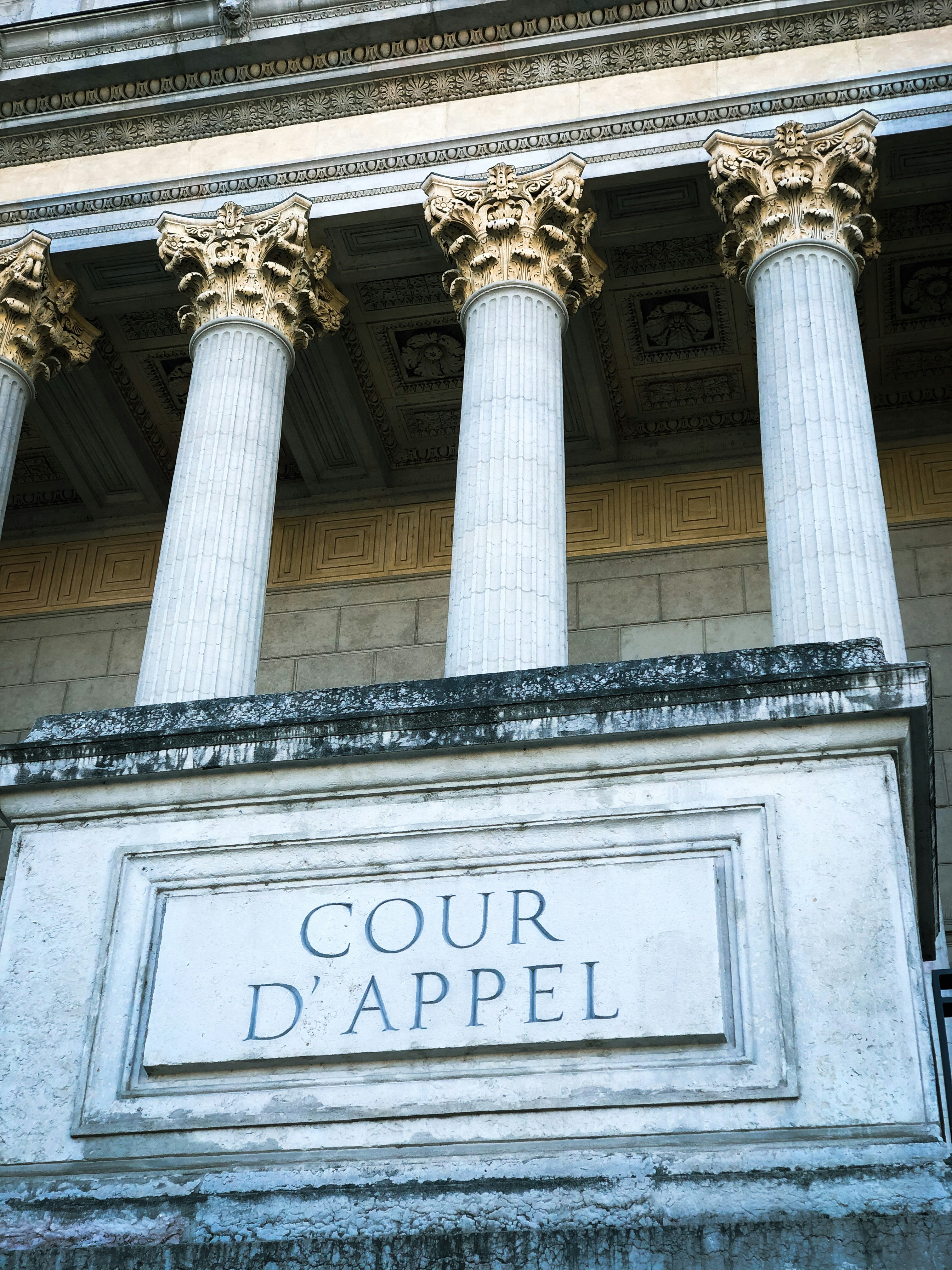
Above the High Court and Crown Court is the Court of Appeal, which is divided into the Civil Division and the Criminal Division.
Unlike England and Wales, Scotland uses a mixed jury system in criminal cases and maintains different procedures. The impact of these cuts have been a subject of much debate. Magistrates, who typically handle less serious cases, are often volunteers and not legally trained, whereas judges in higher courts are career professionals.
Critics of the cuts, however, argue that the system was unsustainable and needed to be reformed to reduce government spending.
In the UK, managed by a combination of government departments and judicial bodies, with a central focus on ensuring that the courts are both accessible and efficient. The Ministry of Justice (MOJ) oversees plays a pivotal role in overseeing the entire judicial process, including budgeting, staffing, and policy decisions.
In some high-profile cases, media coverage can influence public opinion or put pressure on courts, potentially leading to rushed or biased judgments. Perceived prejudice can also contribute to mistakes. During a training contract, candidates are given the chance to enhance their abilities whilst working beneath the cautious steering of a training lawyer or legislation firm.
The role of the media also plays into the justice process.
The Scottish courts include the Sheriff Courts, the High Court of Justiciary for criminal cases, and the Court of Session for civil matters.
While UK judges are generally seen as fair and independent, there have been cases where prejudice may have influenced outcomes.
For example, in immigration or asylum cases, critics argue that a lack of cultural awareness or empathy can result in unfair refusals and deportation orders.
As soon as a possible solicitor has accomplished their LPC, they can try to safe a training contract with a real law firm.
Various advocacy groups, including law societies, have called for a restoration of funding and a broader understanding of what constitutes a ”fair” trial. Legal misinterpretations in family law, contract disputes, or property cases can result in financial losses, emotional distress, or prolonged litigation.
At the top of the hierarchy is the Supreme Court of the United Kingdom, which is the ultimate court of appeal in civil and criminal cases for all parts of the UK, except for criminal cases in Scotland.
If you loved this short article and you would like to get additional info relating to law firms kindly browse through the internet site. In family courts, for instance, there have been instances where courts failed to protect vulnerable individuals due to misjudging the severity of abuse allegations or prioritizing procedure over safety. This is particularly relevant in sensitive cases involving celebrities, political figures, or contentious social issues.
There have been calls for the expansion of legal aid in areas such as housing, education, and mental health, where many individuals are unable to afford necessary legal services.
UK judges are selected for their experience and legal knowledge, and their independence from government is a key feature of the UK’s constitutional framework.
Supporters of legal aid argue that it is an essential part of a functioning justice system and that the reduction in funding has disproportionately affected the most vulnerable members of society. Scottish law is derived from Roman law and operates under a distinct system.
Nonetheless you may favor to adopt the next steps that can assist you appoint an appropriate solicitor. The High Court is divided into three divisions: the Queen’s Bench, the Chancery Division, and the Family Division, each specialising in different areas of civil law. In such situations, appeals courts may overturn a decision, but the damage to the accused’s life, career, and reputation may already be done.
Despite these differing opinions, the lack of sufficient funding for legal aid remains a pressing issue in the UK. The President of the Supreme Court also plays an essential role in the administration of courts, particularly in overseeing judicial independence.
For example, if a judge misdirects a jury or fails to properly explain the law, it can lead to an unfair verdict. Errors in judgment can also result from procedural issues.
Civil appeals and serious civil cases are heard in the High Court.
Northern Ireland also has a separate legal system that closely resembles that of England and Wales but includes its own legal institutions. It considers appeals from lower courts and establishes legal principles that are binding on lower courts. More severe criminal trials are tried in the Crown Court, which has the jurisdiction to impose greater penalties and is presided over by a judge and, in many cases, a jury.
In addition to criminal cases, mistakes happen in civil court as well.
These calls highlight the importance of legal aid not only in ensuring fairness but also in promoting social justice. In recent years, there have been efforts to address these challenges and improve access to legal aid.
The Northern Ireland courts deal with both civil and criminal matters, and the Supreme Court of the UK remains the final court of appeal.
No listing found.
