
mellisawilsmor
About mellisawilsmor
Appraisal 2.0 – The subsequent Step
The real estate market does not move in one direction nationwide. It never has. What is happening in Austin is not what is happening in Cleveland. What is true for a three-bedroom in the suburbs of Dallas has almost nothing to do with a two-bedroom in San Francisco. Before you do anything else, narrow your focus to the specific market you are shopping in and stop reading national headlines as if they apply to you personally.
In markets where developers managed to bring inventory to market faster than demand absorbed it, prices have pulled back. Phoenix, Austin, and parts of Florida saw corrections of ten to fifteen percent from peak levels in some submarkets. But those are the exceptions. Most markets are not working from excess; they are working from scarcity.
 Affordability, by the standard measure of what share of median household income goes toward the monthly payment on a median-priced home, is near its worst level since the early 1980s. That is a real problem, and it is not going away quickly. But affordability being stretched does not mean prices are about to fall sharply. What it means, practically, is that fewer people can compete for each property.
Your credit score affects your rate more directly than most buyers realize. Moving your score up by 40 points before you apply can be worth more than months of rate watching. If your score has room to improve, talk to your loan officer about specific steps to raise it before you apply formally.
 If the report surfaces significant deferred maintenance or structural issues, you have real choices, and walking away is a legitimate one of them. You can request a credit against the purchase price to handle repairs yourself. The one thing to avoid is accepting everything uncritically because you are afraid of losing the deal.
 Price matters, but terms matter too. A longer closing window, a shorter inspection period, a larger earnest money deposit, or willingness to do a rent-back period can all tip a deal in your favor without you spending an extra dollar on the purchase price.
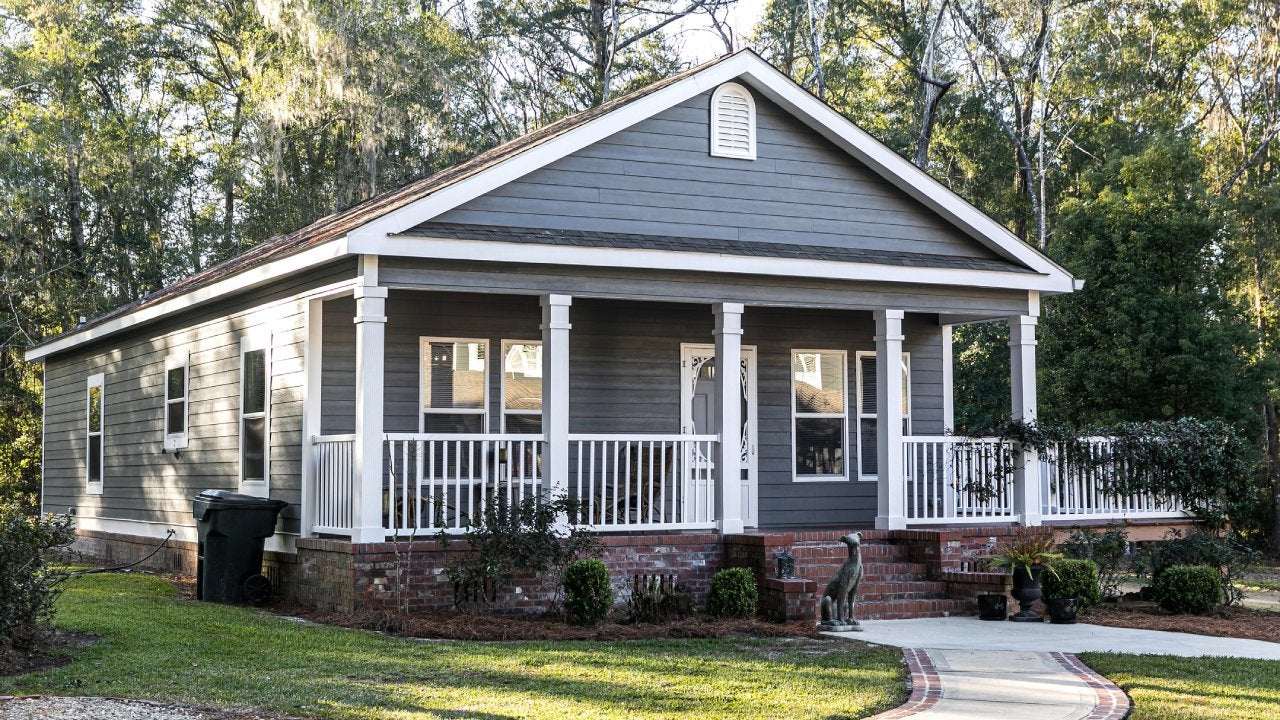 For buyers with the financial cushion to handle a repair bill without panic, this market is workable, even if it is not cheap or easy. The homes that are priced correctly for current conditions are still moving. They are going to the buyers who treated the process like the major financial decision it is.
The buyers who come out ahead in this market are not the ones who waited for perfect conditions. They are the ones who treated the purchase like a business decision rather than an emotional one. If you are ready to take that step, real estate listings and buyer tools are a practical starting point.
No listing found.
